
Resolve to Renovate: Enjoy 15% Off Countertops to Start the Year
Start the Year in Style:
Refresh Your Kitchen and Save 15%
Jan 27th – Feb 28th
Kitchens over 35sq ft
Sintered stone countertops provide:
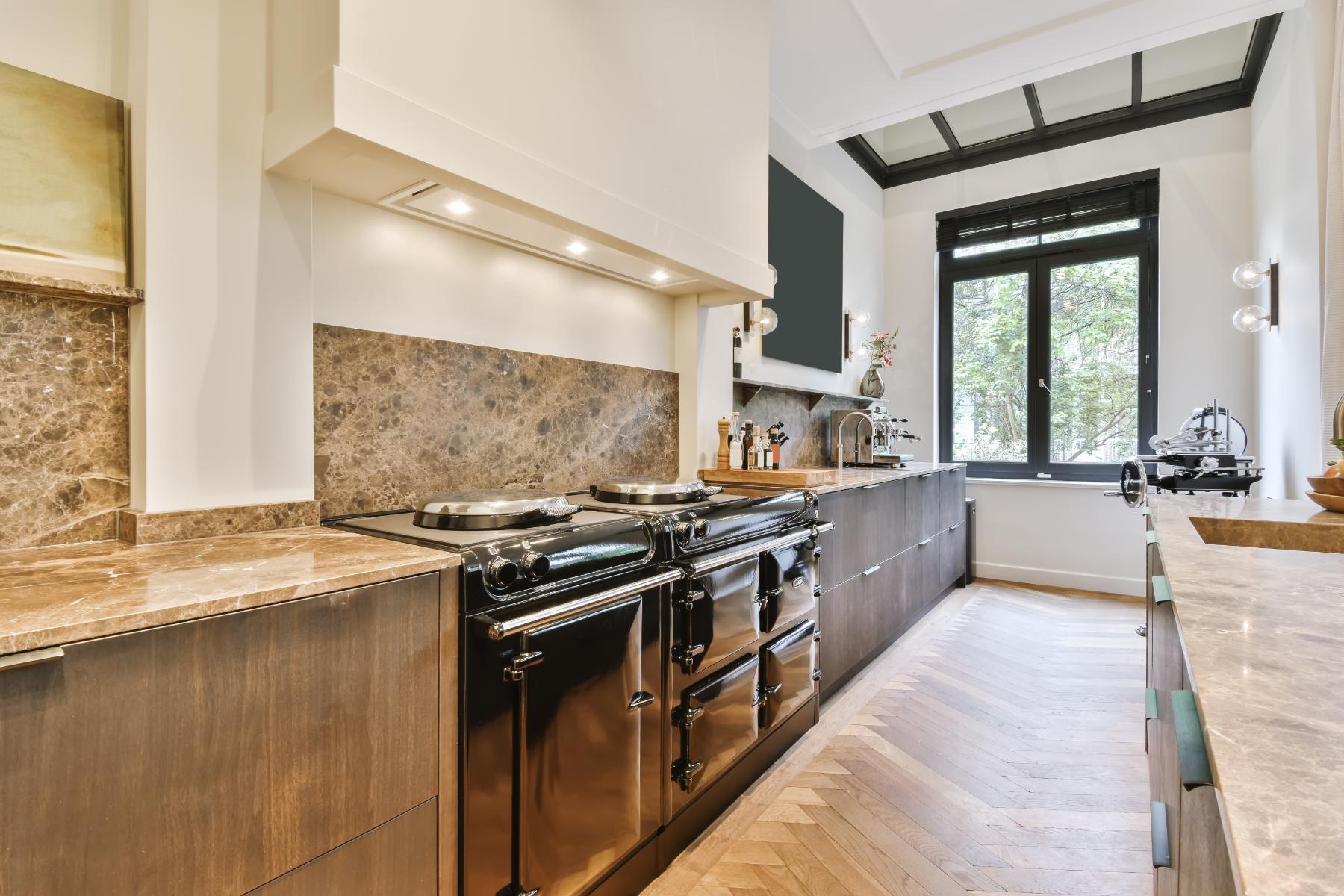
Sintered stone is an engineered surface produced by compacting and heating natural minerals at very high temperatures to form a dense, non‑porous slab. It combines the look of natural stone with high performance characteristics like scratch resistance, heat resistance, and UV stability.
Sintered stone is highly durable—resistant to scratches, stains, and high temperatures—making it suitable for heavy kitchen use and outdoor applications where other materials may fail.
Compared to quartz, sintered stone is generally more heat and UV resistant and less prone to discoloration outdoors. Versus granite, it offers greater uniformity and lower porosity, so it resists staining without sealing.
Yes. Because of its UV resistance and low porosity, sintered stone is recommended for outdoor countertops and exterior facades where sunlight and weather exposure are concerns.
Routine cleaning is simple: use mild soap and water or a pH‑neutral cleaner. For tougher spots, a non‑abrasive cleaner or a plastic scraper will remove residue without damaging the surface. No sealing is required thanks to its non‑porous nature.
Common tradeoffs include higher upfront cost, heavier weight (which can complicate installation), and limited ability to repair deep chips compared with softer materials. Edge and fabrication work requires specialist tools.
Pricing varies by brand, slab size, and fabrication complexity, but expect a premium over basic laminate and some quartz options. Factor in installation, edge profiles, and cutouts for sinks or appliances when budgeting.
Fabrication and templating typically take 1–2 weeks depending on lead times; on-site installation for a standard kitchen often completes in a day or two, though large or complex projects may require additional time.
Minor surface chips can sometimes be repaired by a professional fabricator, but because sintered stone is very dense and hard, deep repairs are more difficult and may require panel replacement for best results.
Sintered stone tolerates high temperatures better than many engineered surfaces, but repeated thermal shock from very hot cookware is not recommended. Use trivets to protect edges and joinery.
Some manufacturers emphasize low‑emission production processes and recyclable content. Check product specifications for GREENGUARD, environmental product declarations, or recycled material claims if sustainability is a priority.
Thanks to its non‑porous surface, sintered stone resists most common kitchen stains. Wipe spills promptly and use appropriate cleaners for persistent residues to maintain appearance.
Sintered stone can be fabricated in a range of edge profiles (eased, beveled, waterfall) and finishes (polished, honed, textured). Consult your fabricator for options compatible with the slab thickness and installation plan.
Yes—its durability, stain resistance, and low maintenance make it well suited for commercial installations, high‑traffic hospitality spaces, and contract projects where performance and longevity are required.
Compare technical datasheets for abrasion, flexural strength, and UV stability; request warranty details on fabrication and sealant (if any); and review installed‑project galleries or client references to verify long‑term performance.
Partner with Modern Countertops to install sintered stone surfaces that combine beauty and resilience. Our team ensures a seamless experience from selection to installation, bringing your design aspirations to life.
Stress-free countertops. on-time, in budget!