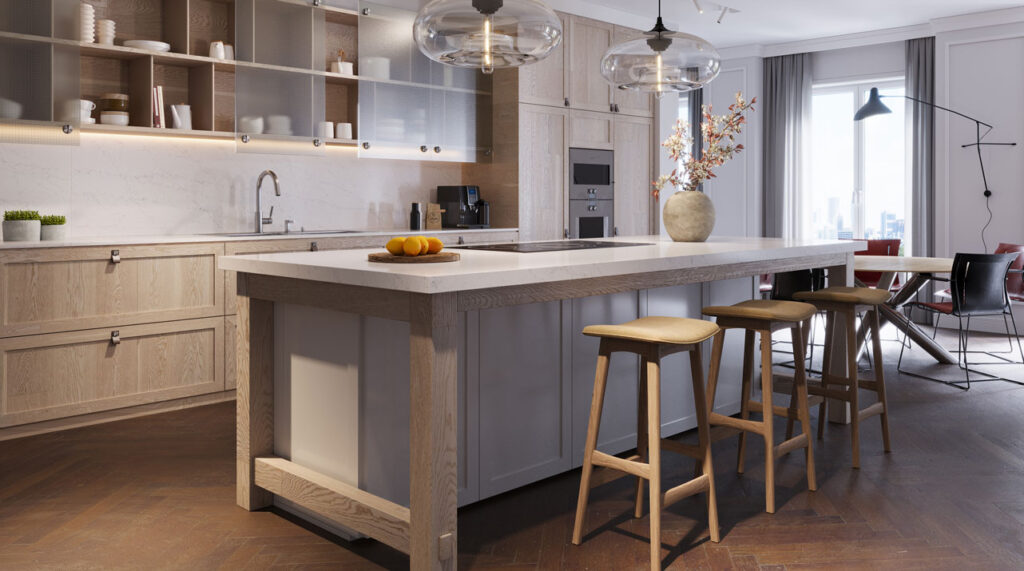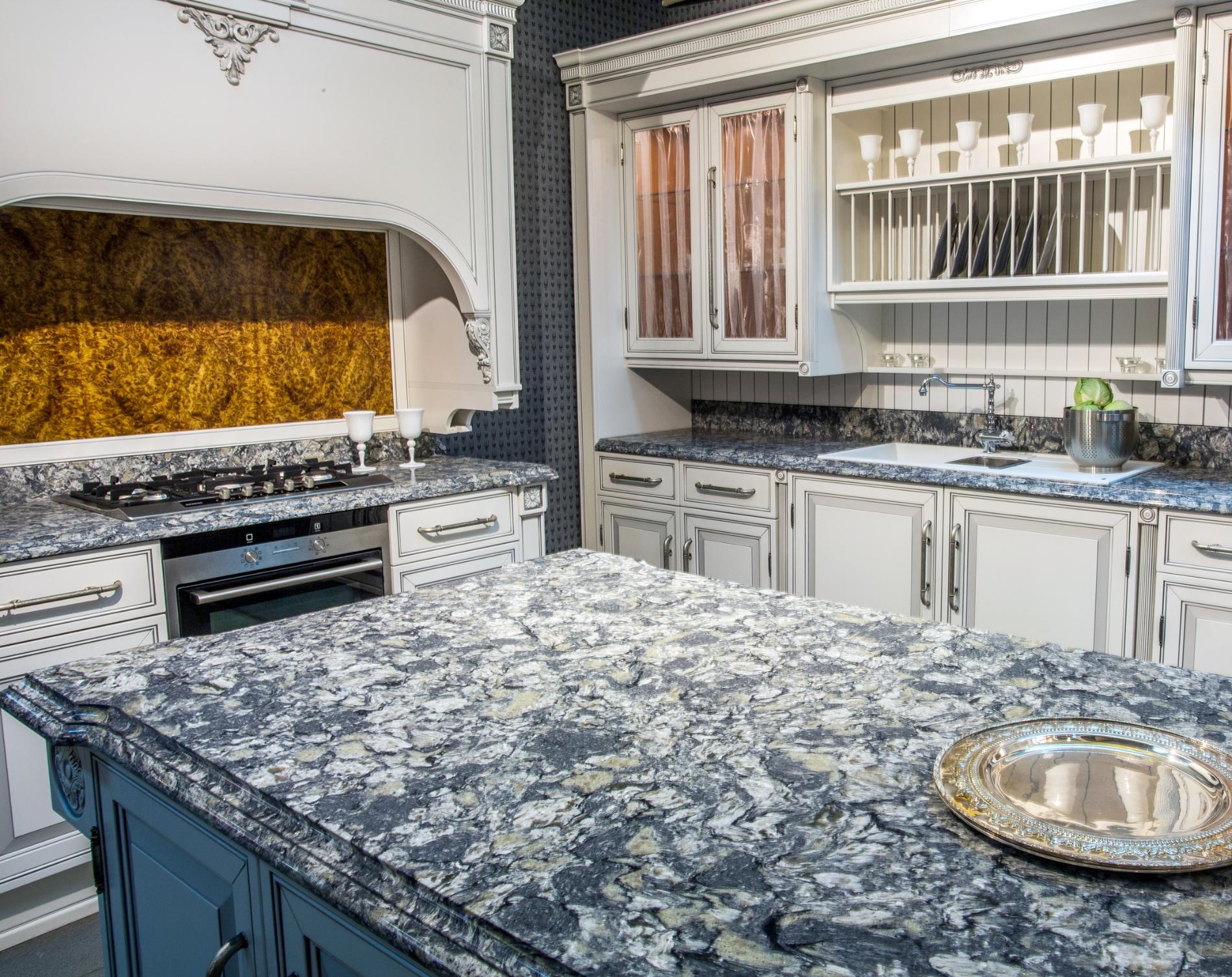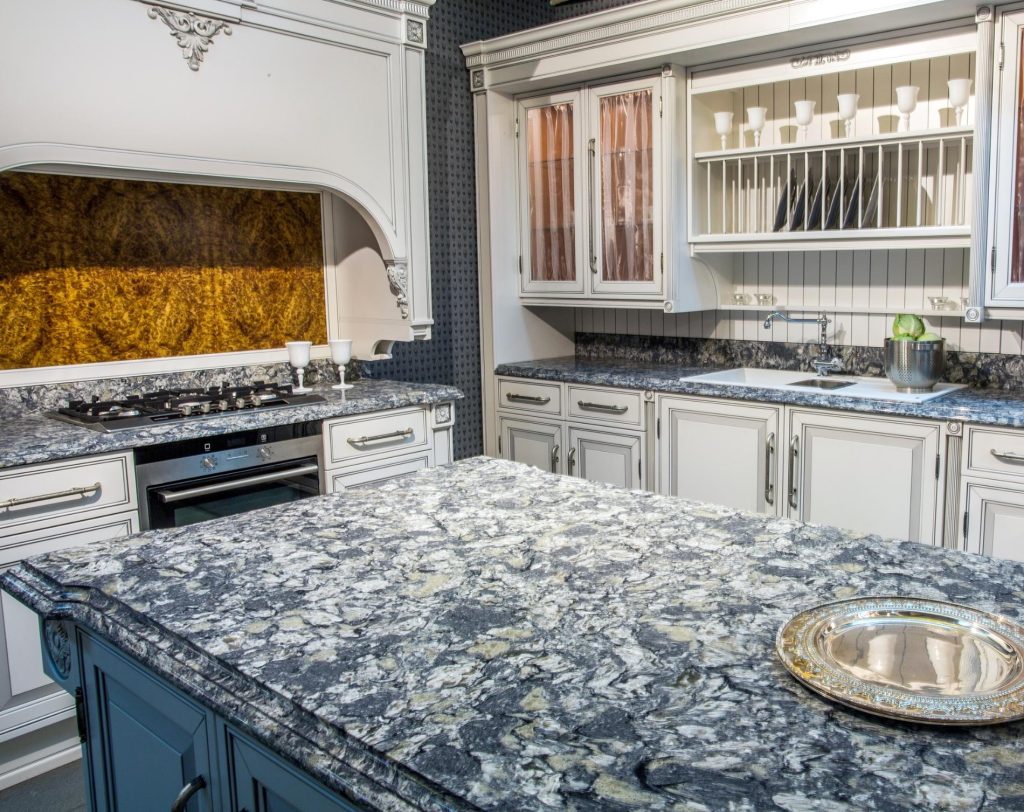
Choosing the right kitchen countertop material is rarely just about appearance. Performance, longevity, heat resistance, and long-term value all play a role—especially in kitchens that see daily use. For many homeowners, granite countertops for kitchens continue to make sense not because they are trendy, but because their physical properties align well with how kitchens are actually used.
Understanding when granite kitchen countertops are the right choice requires looking beyond surface-level comparisons and into real-world performance data.
Granite Is One of the Hardest Countertop Materials Used in Kitchens
Granite is an igneous rock formed under extreme heat and pressure, which directly contributes to its durability. On the Mohs hardness scale, granite typically ranks between 6 and 7, making it significantly harder than marble and many engineered surfaces. This hardness allows granite countertops to resist scratches from knives, cookware, and daily kitchen activity better than most natural stones.
According to material data published by the Natural Stone Institute, granite’s crystalline structure gives it high compressive strength and excellent resistance to wear—key reasons it has remained a standard in residential kitchens for decades.
Heat Resistance Makes Granite Practical for Active Kitchens
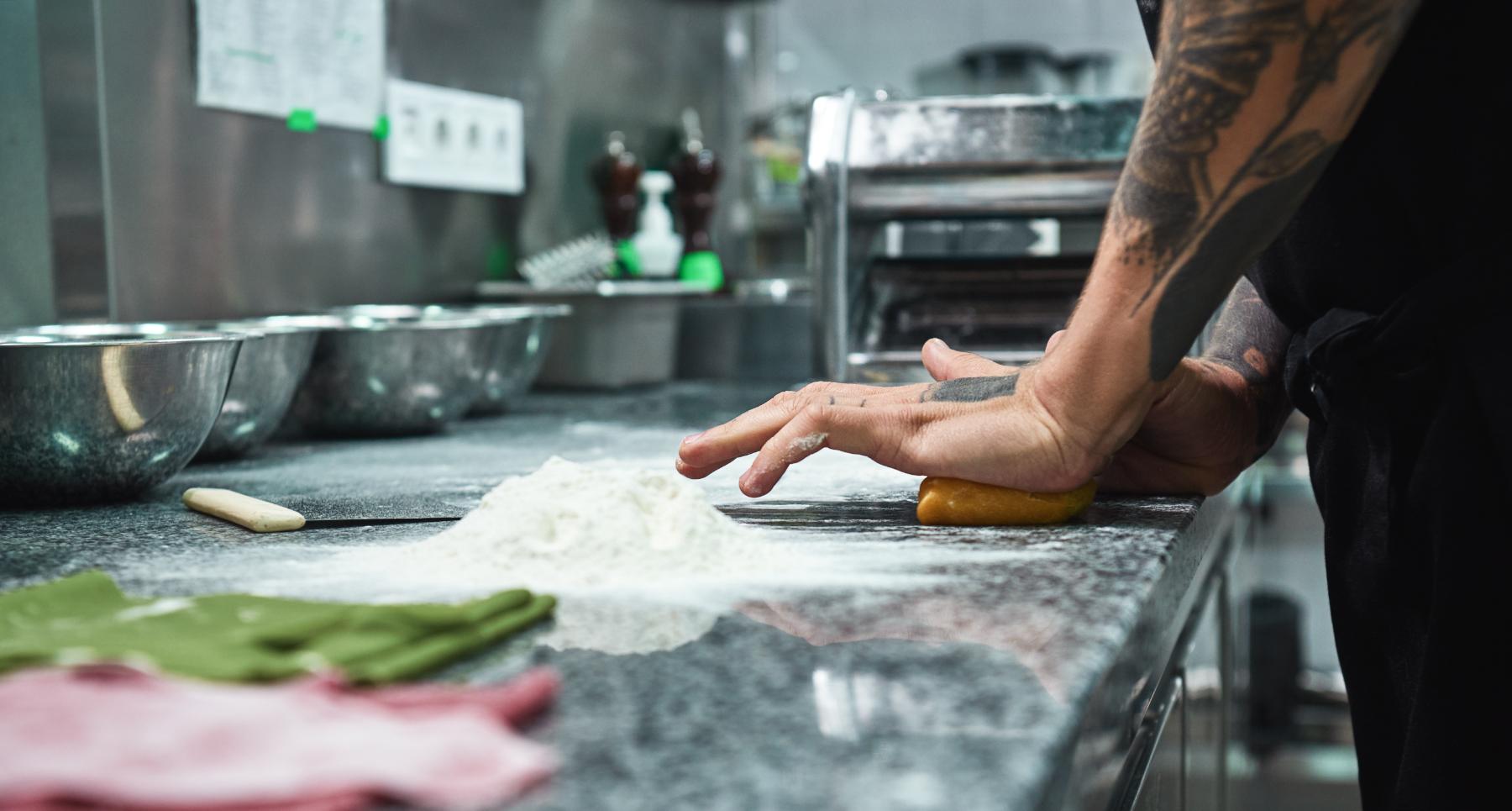
One of the clearest cases where granite countertops make sense is in kitchens where heat exposure is frequent. Granite can withstand temperatures well above those generated by hot pots and pans straight from the stove or oven. Unlike some engineered materials, granite does not rely on resins that may degrade under sustained heat.
For homeowners who cook frequently, bake often, or use their kitchen as a true working space, granite kitchen countertops offer a level of thermal resistance that reduces the risk of surface damage over time.
Longevity and Resale Value Favor Granite in Long-Term Kitchens
Granite’s lifespan is often measured in decades rather than years. When properly sealed and maintained, granite countertops can last 30 years or more, outlasting many kitchen remodel cycles. This longevity contributes directly to resale appeal, as granite is widely recognized and understood by buyers.
In real estate studies analyzing remodeling returns, natural stone countertops—particularly granite—consistently rank among features that help kitchens retain value. For homeowners planning to stay long-term or protect resale potential, granite countertops for kitchens align well with both goals.
Granite Performs Well in High-Use Zones
Not all kitchens are used the same way. In households where countertops serve as prep areas, serving stations, homework surfaces, and gathering points, durability matters more than uniform appearance. Granite’s natural variation helps mask minor wear that would be more noticeable on solid-color surfaces.
Granite is especially well-suited for:
- Primary kitchen countertops
- High-use perimeter runs
- Kitchen islands exposed to heat and frequent contact
These use cases are commonly addressed through professionally fabricated kitchen countertops designed to support daily activity without sacrificing visual depth.
Maintenance Is Often Overestimated—and Measurable
A common hesitation around granite countertops is maintenance. In reality, modern sealers significantly reduce upkeep requirements. Most granite surfaces require resealing once every 12–24 months, depending on usage and finish—an interval supported by manufacturer testing and field data.
Daily care typically involves mild soap and water, making granite comparable to other premium countertop options in terms of effort. When maintenance expectations are clearly understood upfront, granite becomes a predictable, manageable surface rather than a high-maintenance one.
Granite Makes Sense When Customization Matters
Every granite slab is unique. For homeowners who value natural variation, movement, and depth, granite provides a level of customization that engineered materials cannot replicate. Slab selection, edge profiles, finish types, and layout orientation all influence the final result.
This level of customization is often paired with professionally fabricated granite countertops, where slab selection and fabrication planning are handled together to ensure visual continuity and proper seam placement.
When Granite May Be a Better Choice Than Quartz
While quartz remains popular for its uniform appearance, granite countertops often perform better in environments where heat exposure and surface abuse are common. In side-by-side material evaluations, granite’s natural heat tolerance and scratch resistance give it advantages in kitchens designed for frequent cooking rather than decorative use.
These differences are commonly explored in comparisons such as Granite vs Quartz, where performance tradeoffs become clearer once real usage is considered rather than showroom aesthetics alone.
The Bottom Line: Granite Excels in Function-Driven Kitchens
Granite countertops are not a universal solution—but in kitchens built for real use, they often make practical sense. Their hardness, heat resistance, longevity, and natural variation align especially well with active households, long-term homeowners, and kitchens designed for daily performance.
When durability, resale confidence, and natural stone character are priorities, granite kitchen countertops remain one of the most reliable and time-tested options available.