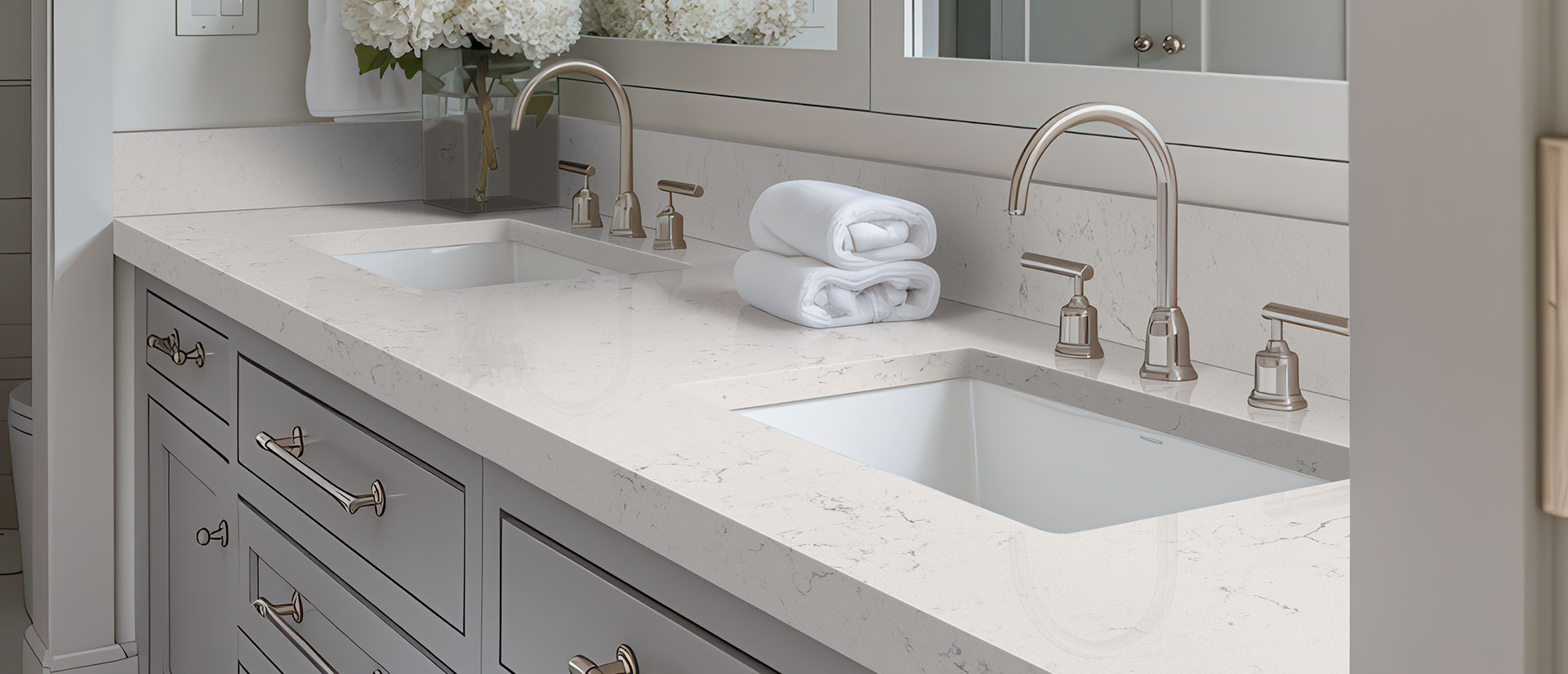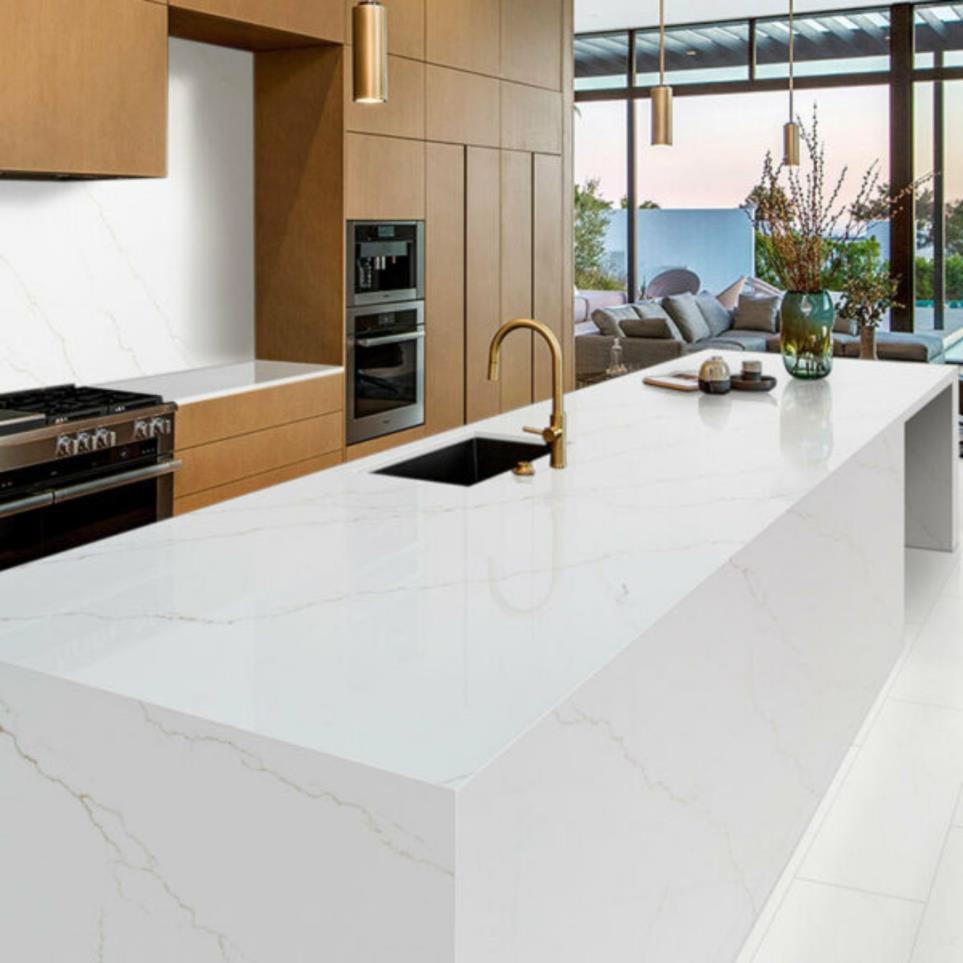
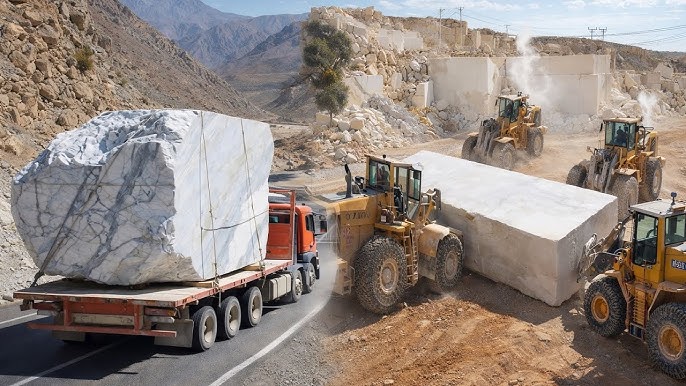
Every countertop in your kitchen or bathroom started as something far more elemental. Before it sat beneath your faucet or anchored your vanity, it was raw material pulled from the earth — quarried from mountain faces in Brazil, recrystallized over millions of years in the hills of Tuscany, or compressed inside a factory under pressures that most materials cannot survive. The quarry to countertop journey is one that most homeowners never see, yet it shapes everything about the surface they live with for the next twenty years.
Modern Countertops believes that understanding where your stone comes from changes how you choose it. This guide traces that journey — from the geology behind each material to the fabrication and installation process that delivers it to Central Illinois homes.
Where Natural Stone Begins: The Quarry to Countertop Journey
Natural stone is not manufactured. It forms over tens of millions of years through geological processes that no factory can replicate — and that history is written into every vein, crystal, and color variation a slab carries.
Granite: Born From Cooling Magma
Granite forms when magma deep within the Earth’s crust cools slowly over millions of years. Specifically, the result is an interlocking crystal structure of quartz, feldspar, and mica — the source of granite’s characteristic sparkle and its exceptional hardness. In particular, Brazil, India, and Norway each produce recognized varieties, with each region contributing distinct mineralogy and color ranges. Dark Ubatuba granite from São Paulo carries green and gold flecks shaped by specific mineral concentrations unique to that geological zone. In contrast, Baltic Brown from Finland reads entirely differently — warm ochres set against a dark field — because the parent rock and cooling conditions were unlike anything the Brazilian highlands produced.
Because no two quarry locations share identical conditions, no two granite varieties are truly alike. Indeed, this is not a limitation. Furthermore, it is precisely what makes natural stone irreplaceable as a design material.
Marble: Millennia of Pressure, Transformed
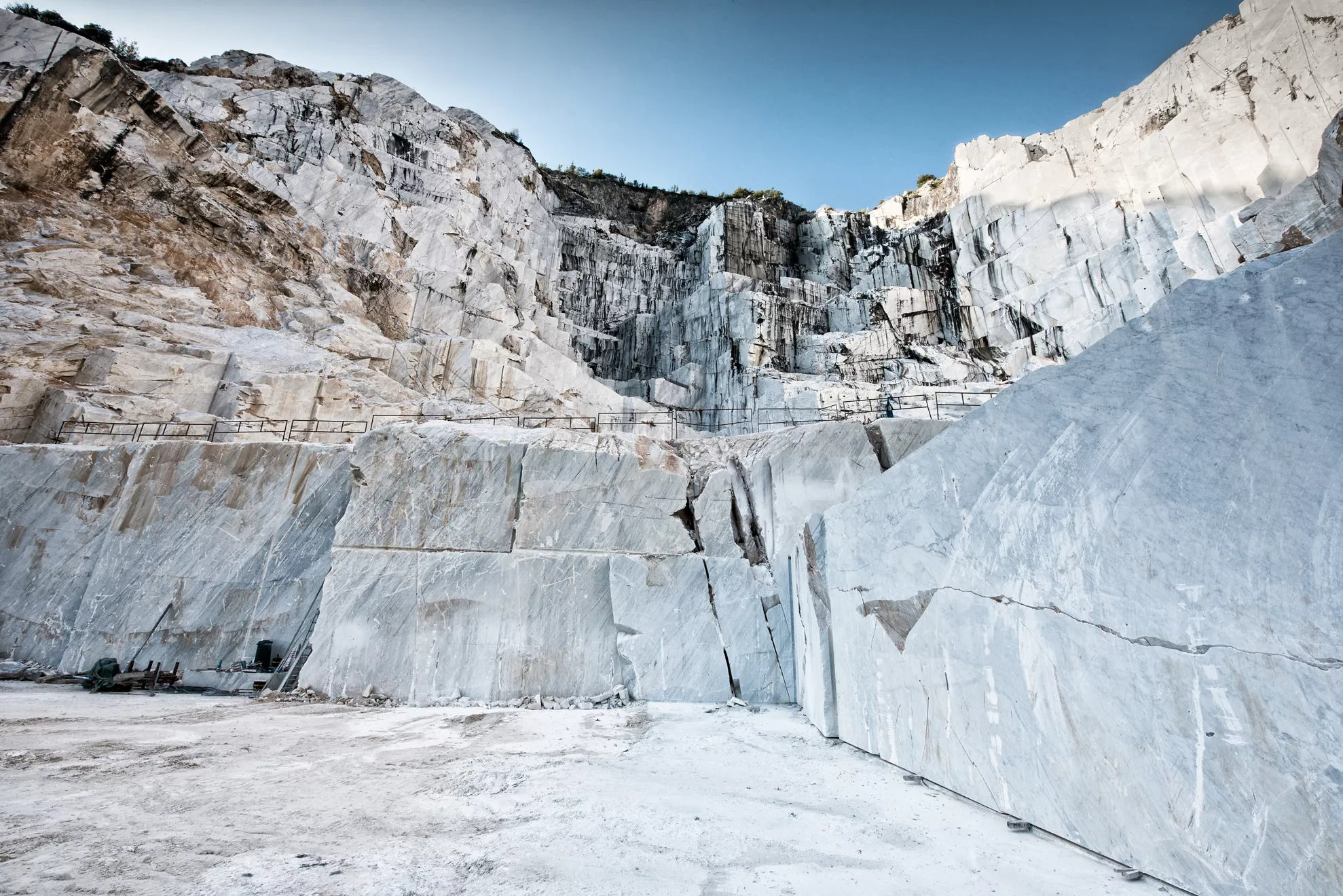
Marble begins as limestone — a sedimentary rock formed from ancient ocean floors. Given enough heat and pressure deep underground, that limestone recrystallizes over millions of years into marble. In fact, the Carrara quarries in Tuscany, Italy have been worked continuously for over 2,000 years; Michelangelo sourced the stone for his David and Pietà from the same mountain range that supplies Calacatta and Statuario marble today.
Additionally, Turkey, Greece, and Spain each contribute distinct marble varieties to the global supply. However, Carrara and Calacatta remain the gold standard precisely because Tuscany’s specific geological conditions — the pressures, temperatures, and mineral content — produced a stone that no other region has identically matched.
Quartzite: Sand Turned Stone
Quartzite forms when quartz-rich sandstone is exposed to extreme heat and pressure, fusing individual sand grains into an interlocking mosaic that rivals granite in hardness. In particular, Brazil’s Minas Gerais region supplies a significant portion of the quartzite used in American homes — Super White, Taj Mahal, and Fantasy Brown all originate from this region’s geological formations. Consequently, quartzite is among the hardest countertop materials available, a direct result of the forces that formed it.
How Engineered Stone Takes Shape
Yet not every countertop has a geological origin story. Quartz and sintered stone are manufactured surfaces — but the process behind them is equally compelling.
In fact, quartz countertops contain 90–95% natural quartz crystals — one of the most abundant minerals on Earth — bound with polymer resins and pigments under vacuum vibro-compaction. As a result, the slab is denser and more consistent than natural stone, with no porosity and no need for sealing. Additionally, because quartz manufacturing allows precise control over color and pattern, the range of available designs vastly exceeds what any single quarry can produce.
Sintered stone goes further still. Manufactured under temperatures exceeding 1,200°C and pressures above 400 bar, sintered stone compresses minerals into a surface with near-zero absorption and remarkable hardness. In short, it achieves in hours what natural stone takes millions of years to produce.
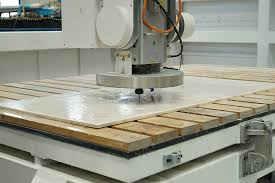
Precision fabrication equipment translates a digital template into your exact countertop dimensions — every cut calibrated before it begins.
From Slab Yard to Your Home: The Modern Countertops Process
Furthermore, once a slab leaves a quarry or factory, the next journey determines whether it becomes a beautiful, precisely fitted countertop or a surface that disappoints. Modern Countertops manages this transition through a three-step process built around clarity and craftsmanship.
Share your project goals. First, the process begins with your space, your vision, and your material preferences. Modern Countertops provides a clear bid and a realistic timeframe before any work begins — no vague estimates, no surprises after the fact.
Enjoy a seamless process. Their team then handles every stage from measurement through fabrication. Specifically, digital templating captures your exact dimensions before a single cut is made. Moreover, their fabrication uses precision equipment calibrated to those measurements, and you stay informed at every stage from template to delivery.
Love the results. Finally, projects are typically completed in two weeks or less, with installation delivered on time and within budget. Modern Countertops guarantees accurate fabrication and installation, done right the first time — a standard that their 4.9 out of 5 Google rating reflects.
The full journey from ancient geology to your kitchen takes millions of years. Modern Countertops handles their portion in two weeks.
Frequently Asked Questions About the Quarry to Countertop Journey
Does the origin of my stone affect how it performs in a kitchen?
Yes — origin directly affects color, pattern, hardness, and long-term performance. Granite from Brazil behaves differently under fabrication than granite from India. Similarly, marble from Carrara differs from Turkish marble in veining density and surface porosity. In fact, understanding a stone’s origin helps you choose a material that performs as well as it looks. The Modern Countertops team can walk you through the sourcing story behind any slab in their selection.
How long does the full quarry to countertop process take?
The geological journey takes tens of millions of years. Modern Countertops’ portion — from your initial consultation to completed installation — takes two weeks or less on most projects. Digital templating ensures the slab is cut to your exact specifications before fabrication begins, which eliminates rework and keeps the timeline on track.
Is quarry-sourced natural stone better than engineered stone?
Neither is categorically better — they serve different needs. Natural stone like granite or quartzite offers geological uniqueness and a pattern that cannot be identically reproduced. Engineered stone like quartz provides consistency, zero porosity, and no-maintenance performance. The right choice depends on your lifestyle, your aesthetic, and how the surface will be used. Modern Countertops carries both natural and engineered options and can help you compare them side by side.
The Journey Ends in Your Kitchen
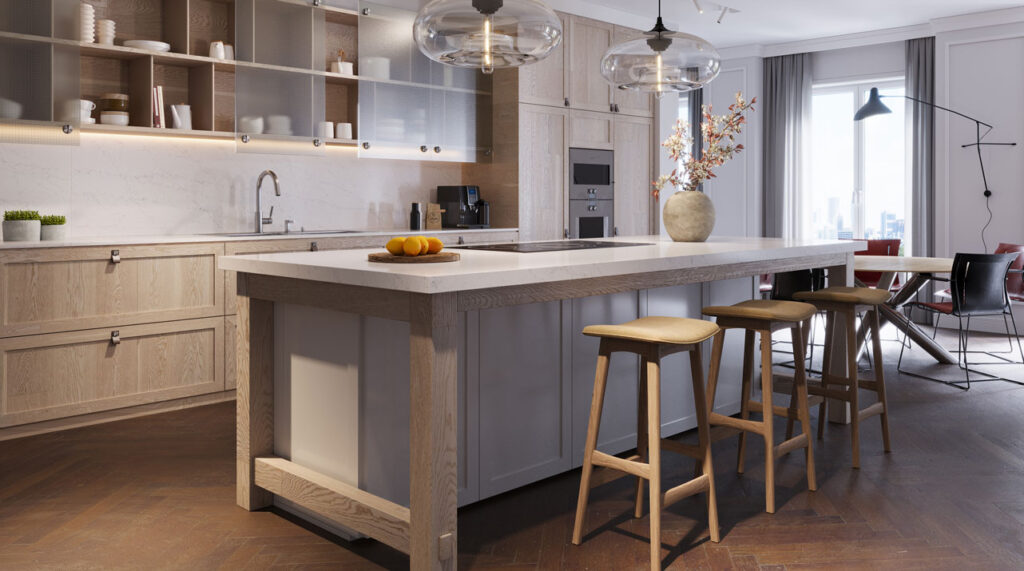
The quarry to countertop story begins millions of years before you start planning your remodel. It runs through mountain quarries in Brazil and Italy, across factory floors in Spain and the United States, and into the hands of a fabrication team that cuts, edges, and installs it to your exact space. Understanding that journey does not make choosing a countertop more complicated — it makes the choice more meaningful.Modern Countertops brings that journey to Central Illinois homeowners with a process built around clarity, precision, and results you can count on.
When you’re ready to see full slabs in person and talk through your project with a team that knows this material from the ground up, contact Modern Countertops to get started.